

Sight Unseen
Art, illusion, and the moral cost of looking away
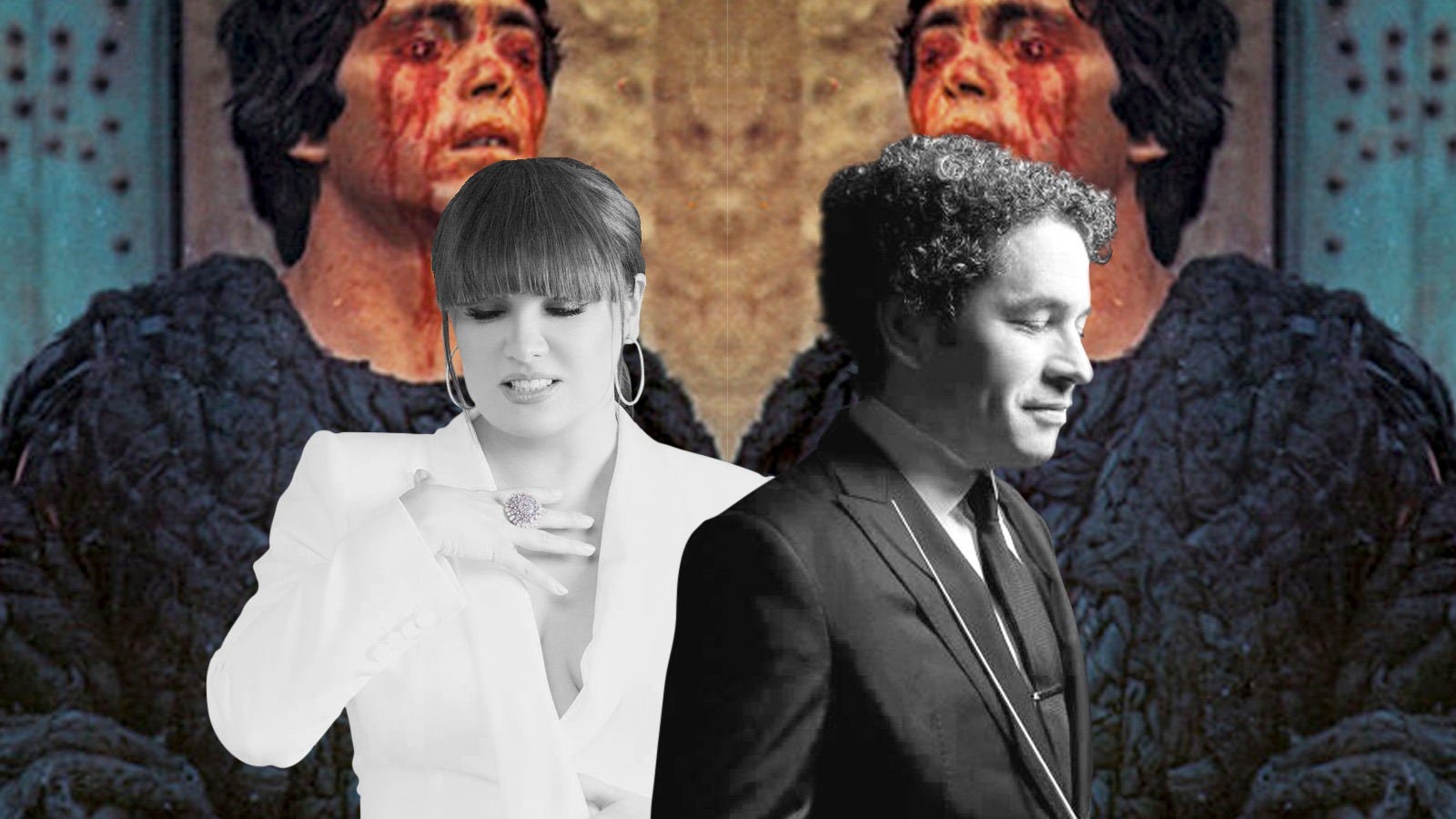
There’s a line from an Elif Batuman interview that ran during my time at Time Out New York that has stuck with me for the last 15 years. Discussing Dostoevsky with Parul Sehgal, Batuman says the Russian author’s work is “not meant to be realistic — you know, like Oedipus Rex isn’t about killing your father and sleeping with your mother — it’s a play that depicts certain universal dramas and tensions through the bizarre and hyperbolic example of a king who kills his father and sleeps with his mother.”
Oedipus Rex isn’t realistic, but it also shows us the shortcomings of what happens when we trust illusions over reality. The Greek god of the theatre, Dionysus, is also, as E. R. Dodds put it, “the god of illusion.” What is real in Oedipus — the fact of the title character’s parentage — remains elusive (illusive?) to him until the fateful reveal. In response, he gouges his eyes out and begs for exile, “far from sight.” In this way, Aristotle would later argue, Sophocles’s play is the perfe…
